elmahicore

Professional training & skills development

Learn it.
Practice it.
Put it to work.

Practical skills in cybersecurity, systems, infrastructure and digital tools, shaped around your audience and clear learning objectives.

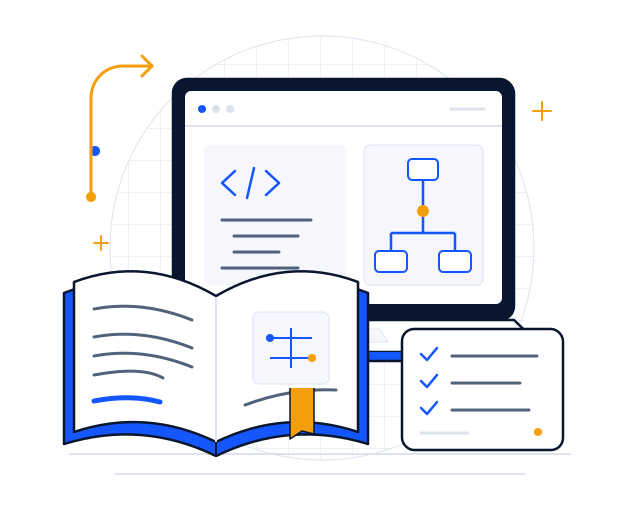
An open learning notebook alongside a digital practice lab, connecting explanation, exercises and review.
Understand the concept. Work through the task. Review the result.
Designed around your audience

Business teams · Technical professionals · Educators · Learners

Learning areas

Choose a starting point.

Explore the areas below. The final content and depth depend on your participants and the skills they need to develop.

Business teams & everyday users

Cybersecurity awareness & digital safety

Connect everyday decisions with practical security habits, using situations participants recognize.

Learning objectives may include

  • Recognize phishing and suspicious requests.
  • Strengthen account and information-handling habits.
  • Know when and how to report a security concern.
Example exercise & prerequisites

Example practice

Review a simulated suspicious message, identify warning signs and choose the next action.

Starting knowledge

Designed for nontechnical audiences; content is adapted to staff roles and current awareness.

Technical professionals & learners

Technical cybersecurity

Develop a structured approach to security assessment and incident response through guided practice.

Learning objectives may include

  • Understand assessment methods and common vulnerabilities.
  • Practice investigation and response in a controlled lab.
  • Explain findings and prioritize practical improvements.
Example exercise & prerequisites

Example practice

Investigate a simulated incident, organize the evidence and outline a response in an isolated learning environment.

Starting knowledge

Foundational networking and systems knowledge may be required, depending on the agreed topics.

IT teams & developing technical learners

Systems, networks & infrastructure

Understand how infrastructure components work together, and build confidence in configuration and troubleshooting.

Learning objectives may include

  • Connect system and network fundamentals to operations.
  • Practice administration and troubleshooting methods.
  • Document configurations and explain technical choices.
Example exercise & prerequisites

Example practice

Configure a small lab network, diagnose a connectivity issue and document the resolution.

Starting knowledge

Entry level and technical depth are agreed for the audience; exercises use a defined lab environment.

Business users & technical teams

Digital tools, automation & AI

Explore useful workflows and repeatable tasks while keeping data handling, verification and human review in view.

Learning objectives may include

  • Identify a workflow that could benefit from automation.
  • Understand tool capabilities and their limitations.
  • Review outputs and define where people remain responsible.
Example exercise & prerequisites

Example practice

Map a repeatable task, prototype a workflow with sample data and compare the output against clear criteria.

Starting knowledge

Digital-tool familiarity is useful; tool selection and technical level depend on the program.

These are learning areas for tailored programs. Topics, exercises and prerequisites are confirmed in the agreed training outline.

A format that fits

From a focused session to a learning program.

Choose the structure around the objective. Duration and delivery arrangements are agreed during scoping.

Awareness session

A focused introduction for a shared understanding of a topic.

Typical activities

Discussion, realistic scenarios and practical habits.

Practical workshop

Guided practice around a defined task or technical challenge.

Typical activities

Demonstration, exercises and review of the result.

Learning program

A sequence of sessions that builds toward agreed learning objectives.

Typical activities

Progressive topics, practice and review activities.

Course development & expert review

Expertise behind the learning content.

Training support can include course drafting and subject-matter review, with the topics and contribution defined in the agreed scope.

Teaching & awareness experience

Cybersecurity learning for different audiences.

Explore Azzeddine ELMAHI’s student course sessions and dedicated awareness work for teachers and professional staff.

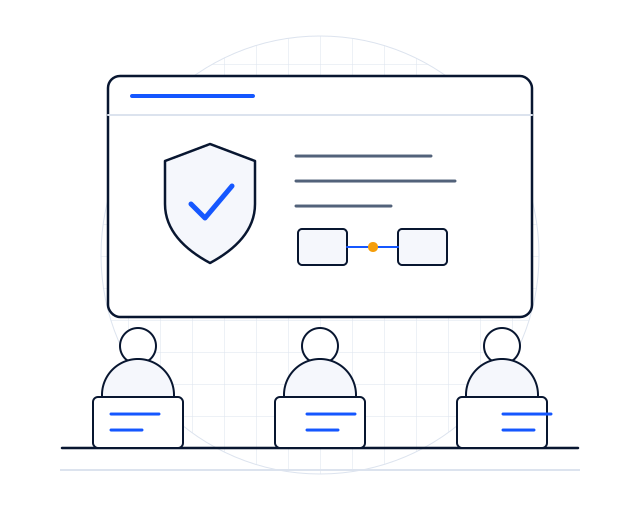
A teaching board with a cybersecurity shield and learner workstations, illustrating a group course session.

Teaching engagement

Student group

Cybersecurity teaching for a student group

Organized course sessions to teach cybersecurity to a group of students.

Read the case study
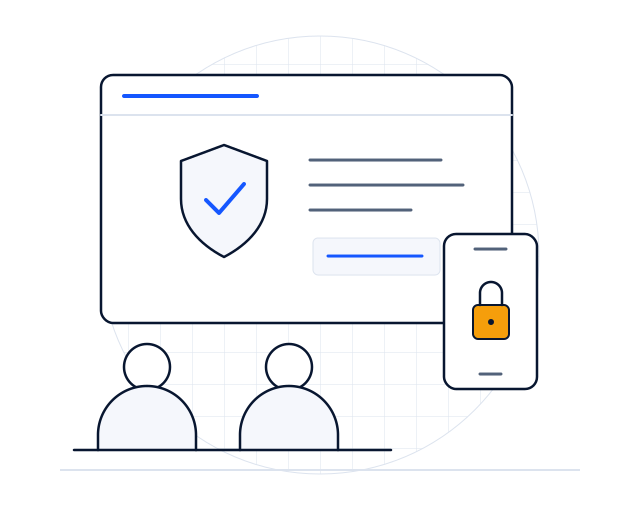
A presentation board, protected digital device and audience figures illustrating a cybersecurity and digital safety awareness session.

Awareness engagement

Teachers & professional staff

Cybersecurity & digital safety awareness

A dedicated awareness session on cybersecurity and digital safety for teachers and professional staff.

Read the case study

How learning takes shape

Clear goals. Guided practice. Useful next steps.

A shared structure, adapted to the topic and participant level.

  1. Understand the audience

    Identify current knowledge, responsibilities and learning goals.

  2. Shape the program

    Agree on topics, prerequisites, materials and practical activities.

  3. Practice together

    Work through examples and exercises at the right level.

  4. Review & apply

    Review learning and connect it with practical next steps.

Resources for learning

A clear outline.
Useful materials. Room to practice.

A program brings the learning goals, materials and activities together. The agreed outline confirms which resources and review activities are included.

Program outline

Learning objectives, topics, prerequisites and the agreed session structure.

Learning materials

Explanations, worked examples or reference guides suited to participant roles and current knowledge.

Practical exercises

Guided tasks, sample workflows or controlled lab activities, with supporting resources for practice.

Review & next steps

Review activities or assessments where agreed, followed by practical pointers for applying the learning.

Explore the training service and engagement scope

Training alongside implementation

Help people put a new system to work.

A system rollout or workflow change brings new tasks and responsibilities. Training can connect the implementation with role-specific practice and guidance for the people who will use or operate it.

Security, privacy and safety are fundamental to every ELMAHICORE implementation, from requirements and design through delivery and handover.

People using the system

Practice everyday tasks, understand safe working habits and know where to find guidance or request help.

People operating the system

Work through administration, routine checks, documentation and troubleshooting relevant to their responsibilities.

Plan your program

Start with the people.
Build toward their goals.

A short brief helps define a useful starting point. Share what participants need to understand or do, and the context in which they will apply it.

Useful details to share

  • Audience & current levelParticipant roles, experience, prerequisites and group size.
  • Learning goalsThe skills, tasks or habits you want to develop.
  • Context & topicsRelevant tools, systems, workflow changes or work situations.
  • Materials & review needsReference guides, practice activities or assessments you would find useful.
  • Timing & arrangementsPreferred timing and practical delivery needs.
Discuss your program

Before we begin

Questions about training

Scope and expectations are agreed before delivery.

Can a program be tailored to our organization?

Yes. Topics, examples and exercises can be scoped around participant roles, your environment and the learning objectives. The program outline is agreed before delivery.

Is technical experience required?

It depends on the topic. Awareness sessions can suit nontechnical participants, while technical workshops may require networking or systems knowledge. Prerequisites are discussed during scoping.

How are duration and delivery arrangements decided?

Session length, number of sessions, group size and delivery arrangements are agreed around the audience, learning objectives, practical requirements and availability.

What materials and review activities are included?

The program outline states what participants receive: audience-specific materials, exercises and supporting resources, plus review activities or assessments where agreed. The selection depends on the learning objectives and scope.

Can training support a system implementation or a new workflow?

Yes. Training can be scoped alongside a system rollout or digital workflow change. Users practice the tasks they need to perform, while operators can work through administration, documentation and troubleshooting appropriate to their roles.

BUILDING SOLUTIONS. EMPOWERING GROWTH.

What do your people need to learn?

Tell us about the audience, the challenge and the learning goals.

Discuss training